Author: steve_admin

  • Raspberry Pi

    RPi image
    $_12
    RPi image

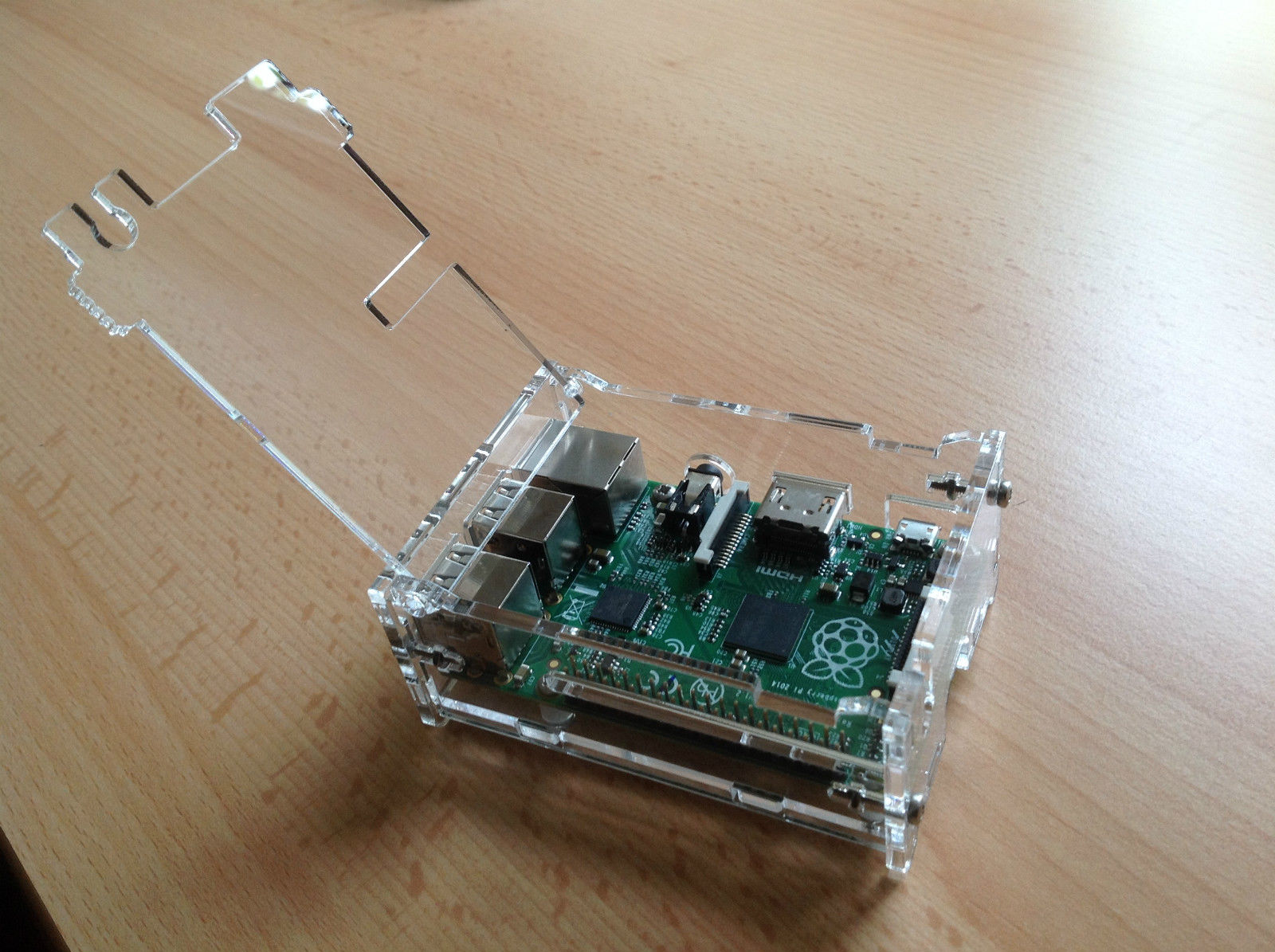
    A brand new Raspberry Pi Model B+ 512mb

    $_57-1

    HD44780 Backlit 1602 LCD Display Blue Yellow/Green 16×2 Arduino Raspberry Pi AVR

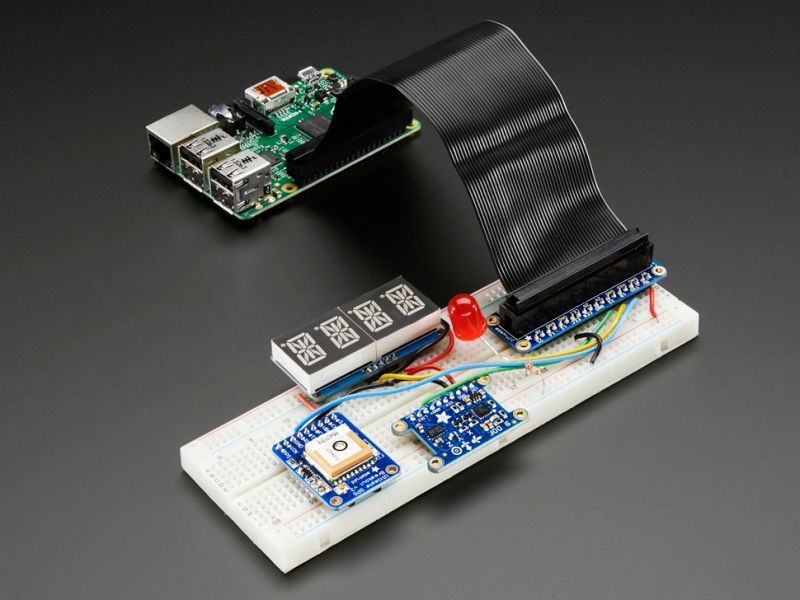
    Bought a fancy acrylic box for the Pi and a Genuine Adafruit Pi Cobbler GPIO Breakout for Raspberry Pi Model B+ and a breadboard with power supply and jumpers

    $_12
    $_57-1
    $_57-4
    $_57-3

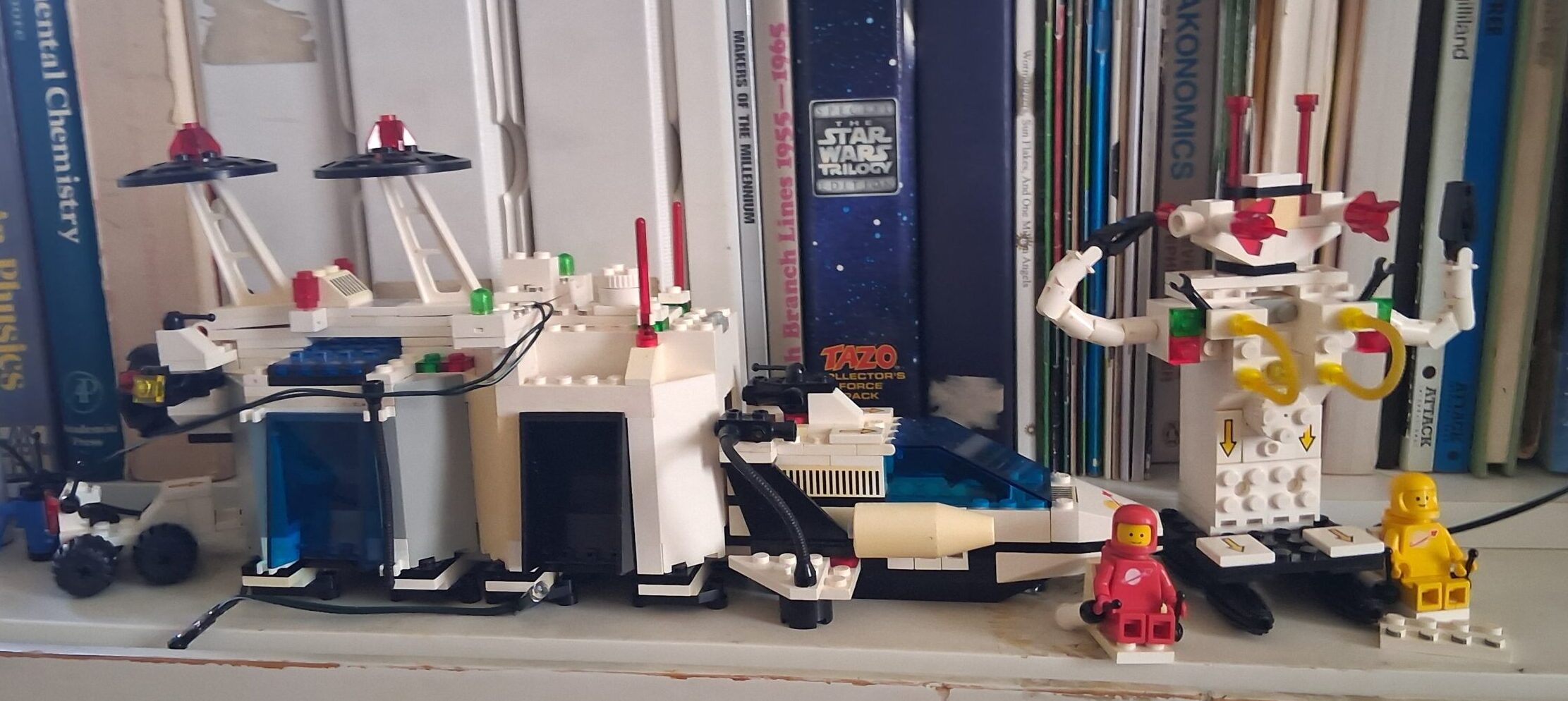
    Some Lego Boxes for the Arduino Leonardo (EMF badge 2012) and Rasberry Pi B+

    lego boxes

    a picture taken with a webcam attached to the raspberry pi (SSH into the Rpi from terminal app on mac mini)

    sshwebcam

    the raspbian OS displayed on my samsung smart tv

    DSCN3127

    a couple of shots of the lego pi box

    DSCN3130
    DSCN3128

    the raspberry pi connected to power (white cable) ethernet (blue cable) and USB Keyboard and Mouse (clear cable) and before I made the Lego box

    DSCN3121

    some screen grabs taken whilst creating a bootable SD card

    DSCN3120
    DSCN3119

    Creating a bootable SD card for the raspberry pi on the mac mini and BenQ monitor

    DSCN3118

  • Invisible Infrastructure

    Chapter II

    Chapter II — Helium and Invisible Infrastructure

    Part of the series: Invisible Infrastructure

    ← Back to Chapter I

    In audio, electronics, and computing, helium operates at a level rarely seen but deeply felt. It supports semiconductor fabrication, advanced cooling systems, and aerospace engineering—forming part of the physical infrastructure behind digital sound, storage, and transmission.

    I. Helium as a Strategic Geopolitical Asset

    Helium—an inert noble gas formed through the radioactive decay of elements such as uranium and thorium—is among the least visible yet most indispensable resources in modern industry. Unlike oil or metals, it is not mined directly but captured as a byproduct of natural gas extraction.

    Its physical properties—extremely low boiling point, chemical inertness, and high thermal conductivity—make it uniquely suited to applications in cryogenics, semiconductor manufacturing, aerospace systems, and nuclear technologies (USGS; DOE).

    Historically, helium has been treated as a strategic material. The United States established a National Helium Reserve in the early 20th century to support military and aerospace programmes. As with other critical materials, control over supply has implications beyond industry, influencing technological capacity and national infrastructure.

    Today, global helium production is concentrated in a relatively small number of regions, including the United States, Qatar, and Algeria. Because helium is typically extracted alongside natural gas, its availability is closely tied to developments in the energy sector.

    II. The Invisible Backbone: Technology and Industry

    If potash underpins biological systems, helium underpins technological systems.

    • pressurisation and testing within aerospace systems
    • cooling superconducting magnets in MRI scanners
    • maintaining controlled environments in semiconductor fabrication
    • applications within nuclear detection and research systems

    These uses place helium within the operational core of modern infrastructure. In periods of constrained supply, allocation tends to prioritise medical, scientific, and high-technology applications, reflecting both economic value and strategic importance.

    III. Conflict and the Fragility of Supply

    Helium supply chains are closely linked to liquefied natural gas (LNG) processing facilities, particularly in regions such as the Gulf. As a result, geopolitical tensions affecting energy infrastructure can have indirect effects on helium availability.

    Recent reporting has highlighted how disruptions to major gas-processing sites can reduce global helium output, contributing to price volatility and supply uncertainty (Reuters; industry analysis).

    Unlike many industrial materials, helium presents particular challenges for storage and recovery. Once released into the atmosphere, it gradually escapes into space over time, making large-scale long-term stockpiling difficult.

    This introduces a structural fragility: supply disruptions may have effects that are not easily reversed in the short term.

    IV. From Strategic Reserve to Market Volatility

    During much of the 20th century, helium was managed within state-controlled systems, particularly in the United States. Policy changes in the late 20th and early 21st centuries shifted aspects of this system toward market-based mechanisms, including the sale of federal reserves.

    This transition has been associated with periods of supply imbalance, sometimes described as “helium shortages,” reflecting the interaction between industrial demand, infrastructure constraints, and investment cycles (USGS; policy reports).

    In this context, helium illustrates the broader tension between long-term resource management and market-driven allocation.

    V. Energy, Infrastructure, and Uneven Access

    Because helium production is embedded within natural gas extraction, it is tied to regions with established energy infrastructure. This creates a system in which access to helium is influenced by geography, investment, and geopolitical stability.

    Disruptions can affect a wide range of sectors, including computing, medical technology, and scientific research. In practice, access to limited supply is often prioritised toward high-value or critical applications.

    This dynamic has led some analysts to frame helium as an example of how advanced technological systems depend on resources that are both physically scarce and unevenly distributed.

    VI. A Material Contrast: Gold and Helium

    Gold provides a useful contrast. As a stable element, it does not decay or disperse, and can be stored indefinitely. Its role in economic systems has historically been tied to accumulation, reserve, and long-term value.

    Helium, by contrast, resists accumulation. Produced slowly through geological processes and difficult to retain once released, it is best understood as a transient resource.

    Where gold enables systems of stored value, helium operates within systems of flow—extracted, processed, and used within relatively narrow timeframes.

    This distinction highlights two different material logics:

    • accumulation and storage
    • capture and controlled use

    In contexts where supply chains are disrupted, the implications differ accordingly. While stored materials may buffer short-term shocks, flow-dependent resources such as helium can be more sensitive to interruptions in production and processing.

    Conclusion

    Helium illustrates a form of dependency rooted not only in scarcity, but in the difficulty of retention. Its role in modern systems reflects a broader condition in which advanced technologies rely on materials that are both physically constrained and closely tied to complex infrastructure.


    This article reflects analysis and interpretation based on publicly available information. Sources include industry reports, international organisations, and historical records.


  • Invisible Infrastructure

    Chapter I — Potash and System Foundations

    Part of the series: Invisible Infrastructure

    ← Back to Introduction

    If technology is understood as a system, then food production is its oldest and most fundamental layer. Potash, as a core agricultural input, underpins the biological infrastructure that supports all higher-order technological development.

    I. Potash as a Strategic Geopolitical Asset

    Potassium—most often mined and traded as potash (primarily Muriate of Potash, KCl)—is one of the three essential macronutrients (N–P–K) underpinning modern agriculture. Its importance extends far beyond agronomy: potash is structurally critical to global food security, yet its supply is concentrated in relatively few regions.

    Historically, potassium fertiliser production depended on burning hardwoods and leaching the ashes. This limited availability until the mid-19th century, when large deposits were identified in Stassfurt, Germany. For a period, Germany held a near-monopoly on potash production, influencing global markets and agricultural systems.

    Following the First World War, new sources were developed, most notably in Saskatchewan, Canada. Today, Canada, Russia, and Belarus account for a significant proportion of global production, creating a system that can be sensitive to geopolitical disruption and sanctions.

    Countries such as the United States rely heavily on imports, particularly from Canada, placing potash among a group of minerals often discussed in terms of strategic dependency (USGS; FAO).

    II. The UK’s Unique Nexus: Boulby, ICL, and Polyhalite

    Within this global landscape, the United Kingdom occupies an unusual position. While it imports most conventional potash, it also hosts one of the world’s only large-scale producers of polyhalite, a multi-nutrient fertiliser marketed as “Polysulphate.”

    The Boulby Mine in North Yorkshire, operated by ICL UK, is a key site in this context. ICL UK is a subsidiary of Israel Chemicals Ltd. (ICL Group), linking a UK-based industrial operation to a wider international corporate structure.

    The development of the Woodsmith Mine further positions the UK within global fertiliser supply chains, particularly in relation to speciality fertilisers.

    III. Corporate Activity, Ethics, and International Context

    The involvement of multinational companies in resource extraction has drawn attention from a range of advocacy groups and researchers. In the case of ICL Group, some discussion has focused on activities in the Dead Sea region and their relationship to areas associated with the Occupied Palestinian Territory.

    Topics raised in public discourse include:

    • the economic implications of mineral extraction in contested regions
    • the broader relationship between industrial supply chains and state activity

    These issues are often discussed in connection with international law and advisory opinions issued by bodies such as the International Court of Justice (ICJ). Interpretations of these legal frameworks vary, and remain the subject of ongoing debate.

    IV. A Historical Lens: The Palestine Potash Company

    Potash production in the region has its origins in the Palestine Potash Company (PPC), established in 1929 under British Mandate authority. Its operations spanned the Dead Sea, employing both Arab and Jewish workers.

    The events surrounding the 1948 war led to the division of these facilities, with northern sites abandoned and southern operations continuing under Israeli administration. Contemporary industrial activity in the region can, in part, be understood within this historical context.

    V. The Palestinian Agricultural Context

    Palestinian agriculture operates within a set of constraints shaped by access to land, water availability, and broader political conditions. These factors influence the extent to which farmers can utilise agricultural inputs, including fertilisers such as potash.

    Various reports and field studies have documented:

    • limitations on land access in certain areas
    • restricted access to water resources
    • damage to agricultural land linked to conflict-related activity

    Within this context, the olive tree has come to symbolise resilience and continuity. However, agricultural productivity remains closely tied to access to inputs, infrastructure, and stability.

    Conclusion

    Potash illustrates how a widely used agricultural material connects global markets, corporate structures, historical developments, and local realities. It provides a lens through which to examine how resource systems intersect with political and economic conditions.


    This article reflects analysis and interpretation based on publicly available information. Sources include industry reports, international organisations, and historical records.

  • Standing Stones at Lundin Links

    Standing Stones at Lundin Links

    standing stones Lundin Links

    The standing stones at Lundin Links are among the many ancient sites that continue to draw me back again and again. There is something quietly compelling about these places – stones set in the landscape thousands of years ago, still standing against wind, weather and time.

    I have long had a fascination with stone circles and standing stones. Visiting them is never quite the same twice; the light, the weather and the mood of the place always seem slightly different. Some sites feel solemn, others peaceful, and occasionally there is a sense of mystery that is difficult to put into words.

    The Lundin Links stones sit close to the Fife coast, their presence a reminder that long before modern towns and roads, people were already marking the landscape in ways that have endured for millennia.

  • A Family Photograph from Long Ago

    A Family Photograph from Long Ago

    Great Grandmother and Nan

    This old photograph shows my great grandmother surrounded by several children, one of whom is my grandmother on my mother’s side. The exact identities of all the children are uncertain, but the image captures a moment from a much earlier generation of the family.

    Photographs like this have a quiet power. They connect us directly with people whose lives were very different from our own, yet whose stories eventually led to our own place in the world. Looking at the expressions, the clothing and the setting, it is easy to imagine the everyday lives that unfolded around this simple moment.

    Family photographs are small windows into the past, preserving faces and relationships that might otherwise fade from memory.

  • Travelling Scotland by Camper Van

    Travelling Scotland by Camper Van

    For a few years I owned a small camper van, complete with an awning that turned even a modest campsite into a comfortable base for exploring. Although I only had the van for a relatively short time, it led to a number of memorable trips.

    One of the highlights was following the North Coast 500 route around the north of Scotland. Travelling this way has a very different rhythm compared with ordinary journeys. There is time to stop, explore and appreciate the landscape in a slower and more relaxed way.

    Even when the van was occasionally temperamental, the freedom it offered made the adventures worthwhile. Looking back, those journeys remain some of my most enjoyable travels.

  • Mac Classic II Back to Life

    Mac Classic II Back to Life

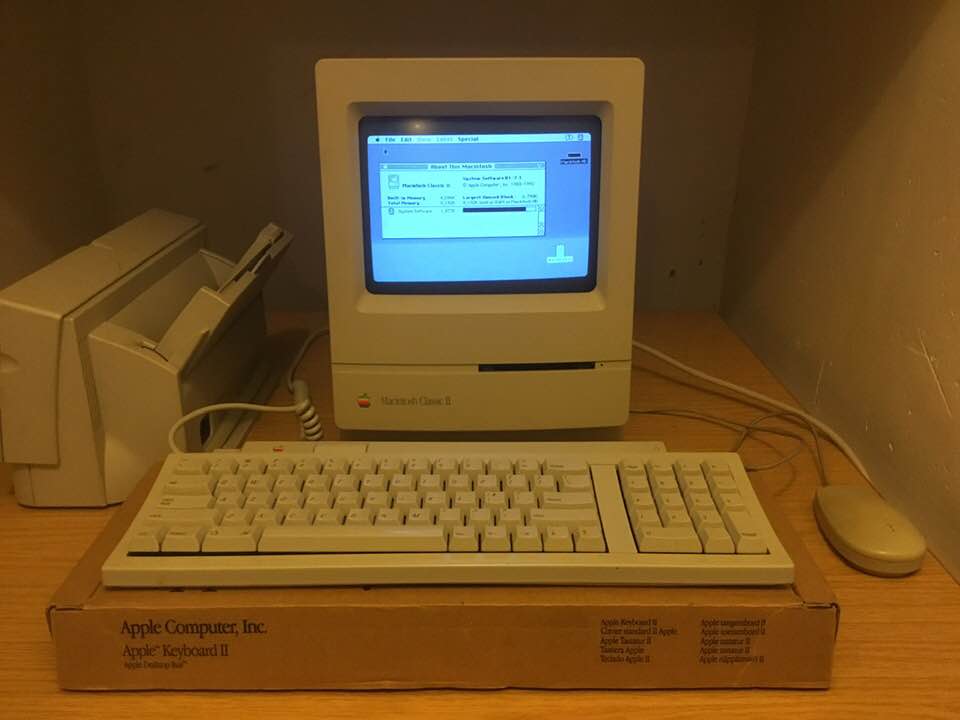
    This Macintosh Classic II came to me as a generous gift from someone who knew I had a soft spot for older Apple machines. Like many computers from that era, it had spent a long time in storage and needed a little care before it could be trusted to run again.

    Opening one of these compact Macs is always slightly nerve-racking. There’s the lingering knowledge that you’re working around a CRT display and ageing electronics, and once the case is off you’re immediately confronted with decades of dust and the unmistakable signs of time passing.

    The real challenge was the motherboard. Anyone who has restored one of these machines will know that the surface-mount capacitors used in many early-1990s Macs have a habit of leaking over the years. Carefully removing the board and giving it a thorough clean felt a bit daunting at first, but it turned out to be well worth the effort.

    Once everything was reassembled and powered up, the familiar startup chime was a very welcome sound. Watching that little 9-inch screen come to life again was a reminder of just how elegant and self-contained these machines were.

    The Classic II wasn’t my first Macintosh. That honour goes to a Mac Plus, which I eventually upgraded to the luxurious height of 4 MB of RAM and paired with a chunky 40 MB external hard drive. At the time it felt like an enormous amount of storage and power.

    Seeing the Classic II running again brought back many of those early memories — the simplicity of System software, the distinctive compact Mac design, and the feeling that computers could be both useful tools and beautifully engineered objects.

    Machines like this are a small window into the early days of personal computing. With a little patience and some careful cleaning, they can still do what they were built to do — quietly reminding us where it all began.